
How Interior Design Impacts Home Value
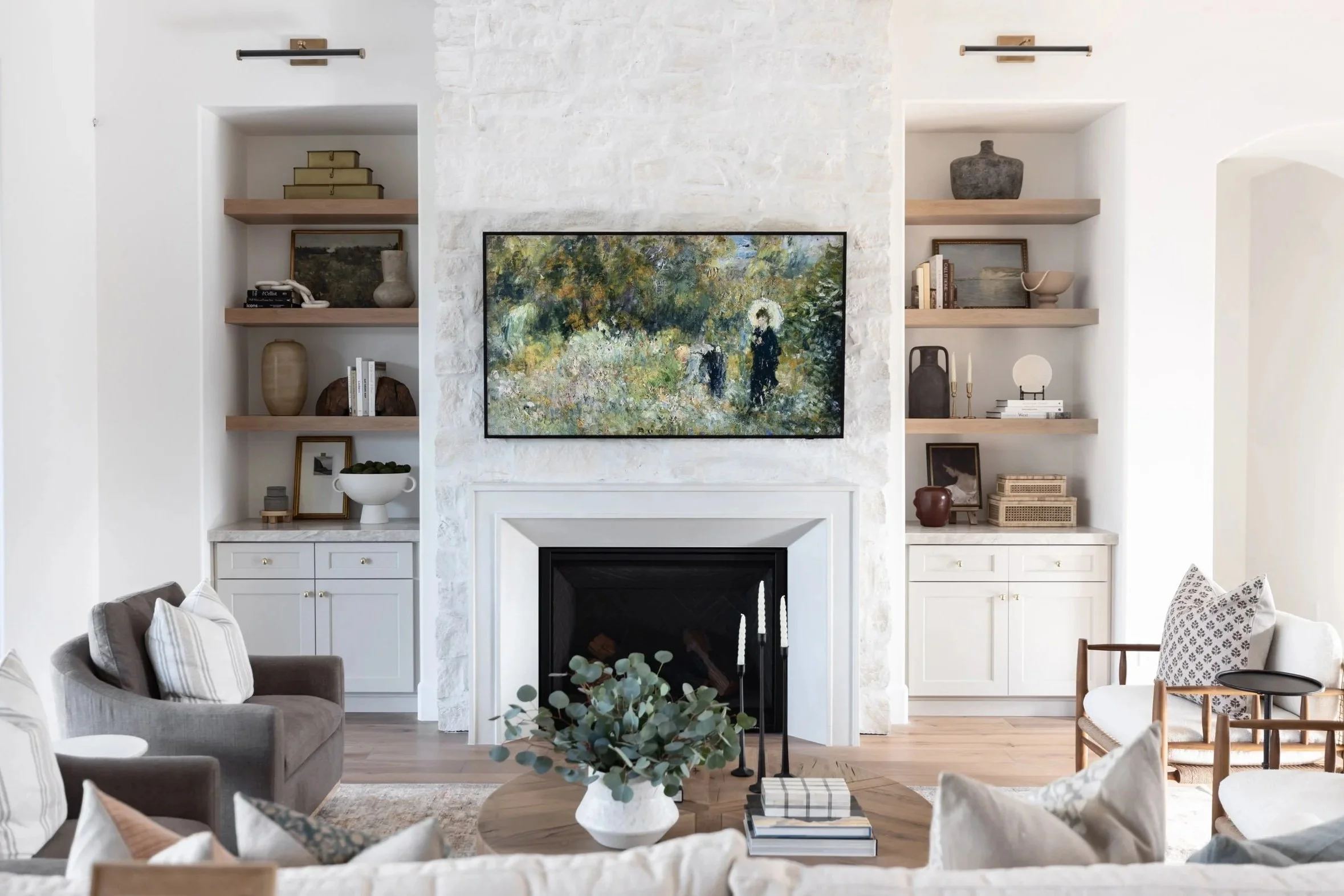
If you are considering a full home redesign or renovation, one question tends to sit quietly underneath all the others: Is this actually going to add value to my home?
It is a fair thing to wonder. You want a home that feels beautiful and lives well, but you also want to know that the money you put into it is money well spent.
The answer I give my clients here in Scottsdale and across the Valley is yes, thoughtful interior design can impact home value, but value comes in two different forms. There is the value you experience every day you live in your home, and there is the resale value you may see when it is eventually time to sell.
How we balance those two depends on one very important question: How long do you plan to live here?
The value you live in every day
Let me start with the kind of value that rarely makes it into a real estate listing, because it is the one my clients feel first.
A well-designed home changes how your days actually go. The kitchen finally works the way your family gathers. You have the storage you were always missing. The lighting is where you need it. Your primary bedroom feels like a retreat instead of just another room.
None of this shows up as a number on an appraisal, and yet it is often the value my clients treasure most.
For the people I work with, time and comfort are real luxuries. The value of working with an interior designer goes well beyond the finished space. A home that supports the way you live, entertain, and unwind has tremendous value long before anyone talks about resale.
Design ROI: what it really looks like at resale
Of course, there is also the financial side of the equation.
Interior design can influence how a home is perceived on the market. Buyers respond to spaces that feel cohesive, considered, functional, and well cared for. A home where the flow makes sense, the finishes feel intentional, and every room relates to the next simply feels more valuable.
But this is where home improvement value is often misunderstood.
It is easy to assume that adding value means spending the most money, choosing whatever is trending, or making everything as neutral as possible so a future buyer will like it. I do not think any of those are particularly good design strategies.
Instead, the goal is to make smart decisions based on the home, the investment, and how long you actually plan to enjoy it.
How long do you plan to live in your home?
One of the questions I ask during nearly every interior design consultation is: How many years do you plan to live in this home after the renovation?
The answer matters more than most homeowners realize because it can change the way I approach the entire project.
If a client tells me this is their forever home, or they plan to be there for 10 years or more, I am much more inclined to design specifically for them. We can lean further into their personal style, take a few more risks, and make choices based on what they genuinely love rather than worrying quite as much about what a future buyer might think.
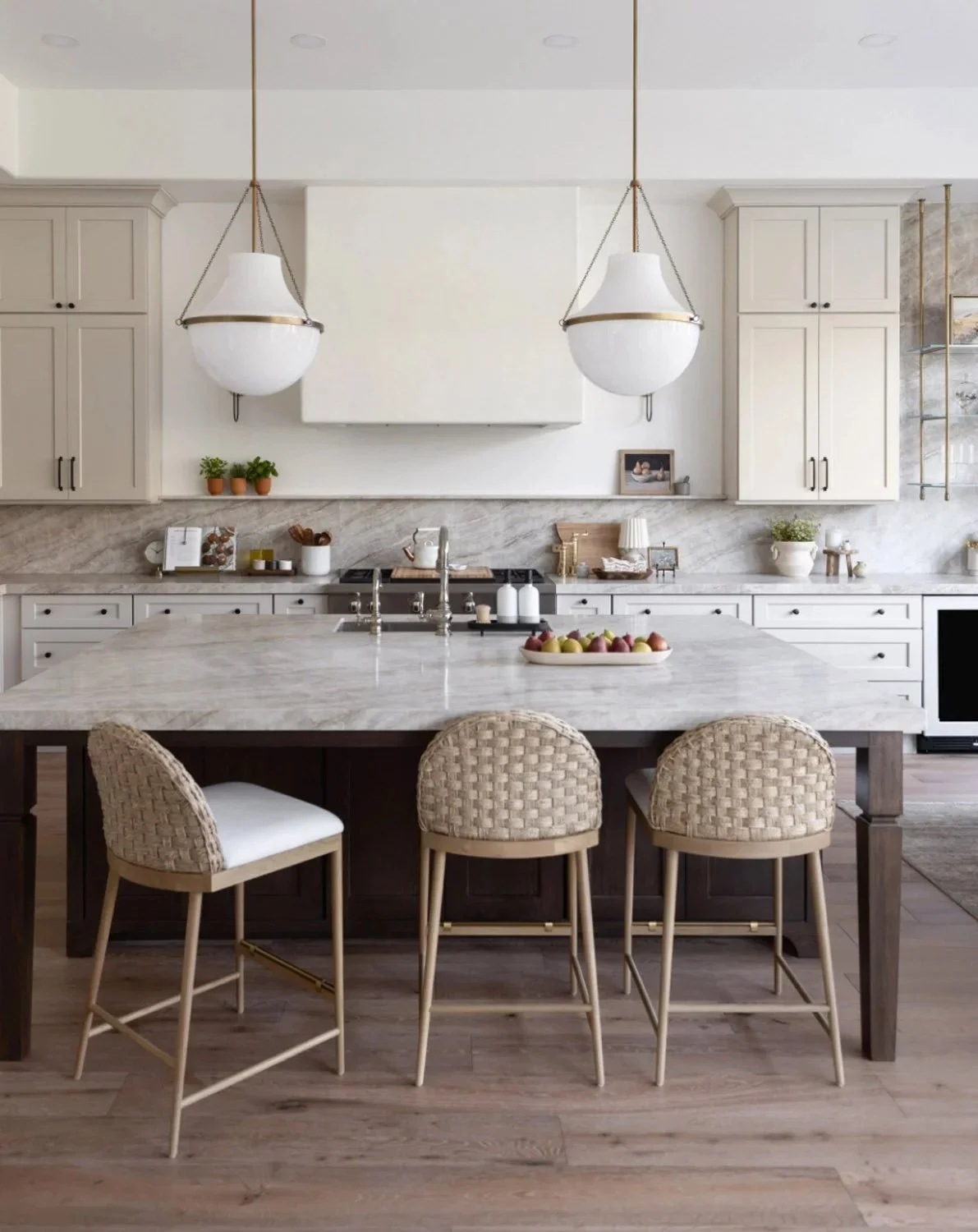
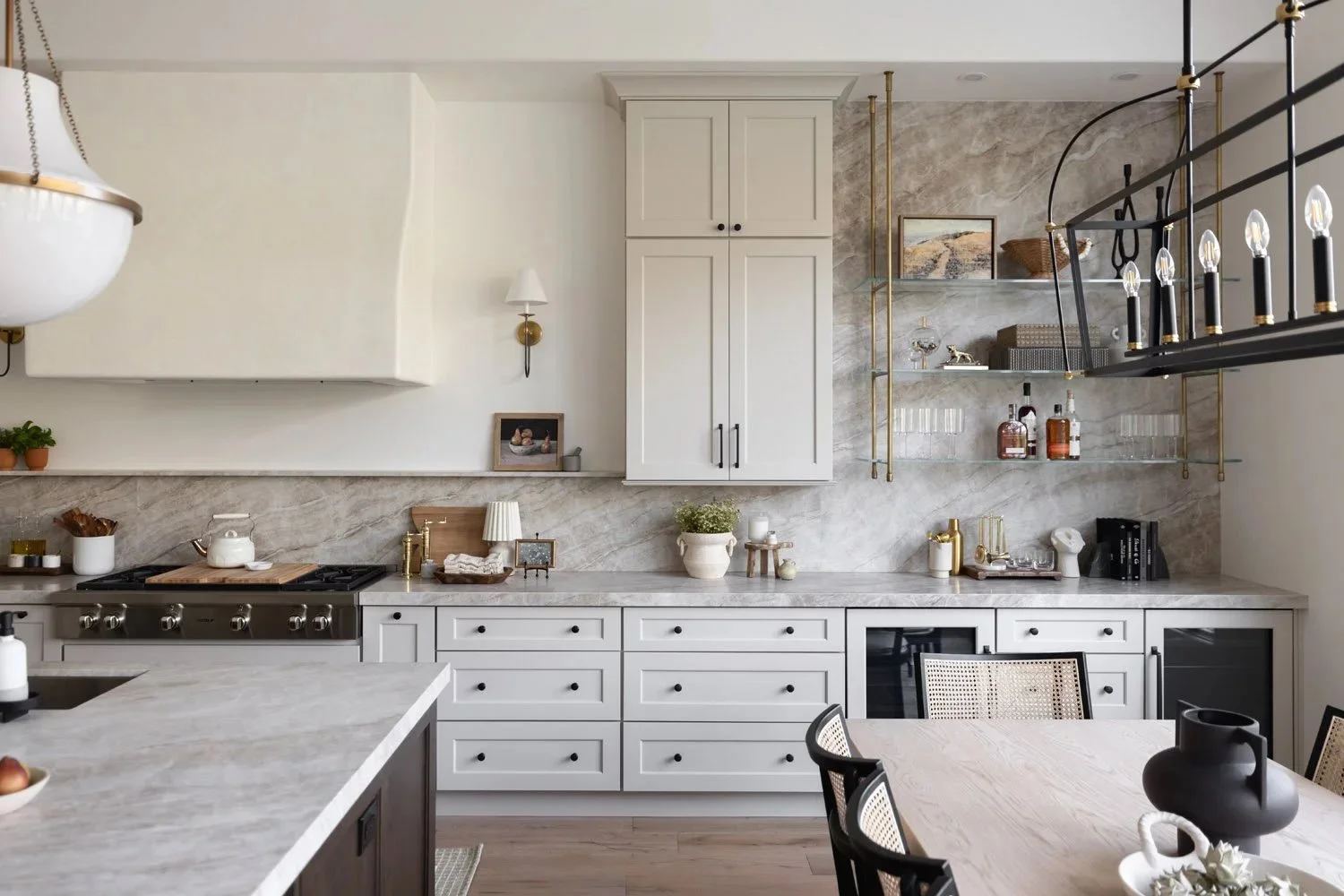
In our Hidden Hills kitchen renovation, for example, we focused on creating a timeless space that worked for the way our clients live now while also thinking about how they would use the home years down the road.
If they tell me they expect to move within the next two to seven years, I look at the project through a slightly different lens.
That does not mean making the house generic or stripping it of personality. It means being more thoughtful about where we make highly personal choices and where we keep things more classic and appealing to a broader range of future buyers.
A distinctive wallpaper or bold paint color, for example, is relatively easy for someone to change. An expensive stone countertop, highly specific tile installation, or major architectural element is not. If resale is likely within a few years, I am going to think much more carefully about those permanent decisions.
The goal is never to design your home entirely for someone else. It is to understand how long you expect to enjoy the investment and make smart decisions accordingly.
The design choices that actually hold their value
There is no single formula for designing a home that holds its value. The right decisions depend on the home itself, your budget, how long you plan to live there, and how much resale should factor into the conversation.
That said, there are a few decisions I have watched pay off again and again, both in daily living and at resale:
A cohesive design throughout. When your home shares a common thread, it feels larger, calmer, and more intentional. Disconnected rooms, even beautiful ones, can make a home feel piecemeal.
Quality finishes and classic materials. Natural stone, warm wood tones, and well-made fixtures tend to age more gracefully than finishes chosen simply because they are having a moment.
Function that fits real life. Storage that works, thoughtful lighting, and a layout that supports how people actually move through the home are valuable whether you stay for three years or thirty.
Knowing where to spend. Not every selection needs to be the most expensive option. Part of good design is understanding which elements are worth investing in and where you can pull back without compromising the overall result.
Personality in the right places. Especially when resale is part of the conversation, I like putting more distinctive choices in places that can be changed relatively easily while keeping major permanent investments more timeless.
Part of my job as an interior designer is helping clients leverage their dollars wisely, honoring both their budget and their vision so the money they invest shows up in the way their home lives now and, when appropriate, in how it performs later.
Where homeowners leave value on the table
The most common mistake I see is not necessarily overspending. It is spending without a plan.
When decisions are made room by room with no overall design direction, you can end up with a home that still doesn’t feel right after the renovation, even when you have invested significantly in individual spaces. One room is renovated beautifully while the room beside it feels forgotten. Furniture is purchased before anyone has thought through the overall flow. Finishes are selected independently without considering how they relate to the rest of the home.
And sometimes homeowners spend a significant amount of money on a very specific permanent feature without considering whether they will be there long enough to really enjoy that investment.
A cohesive plan from the beginning helps prevent those mistakes. The same is true for new construction, where bringing an interior designer in early can prevent expensive changes once decisions have already been built.
Looking at the entire home from the beginning allows us to decide where the investment matters most and make choices based on both your life now and your plans for the future.
That is the difference between simply spending money on your home and investing in it thoughtfully.
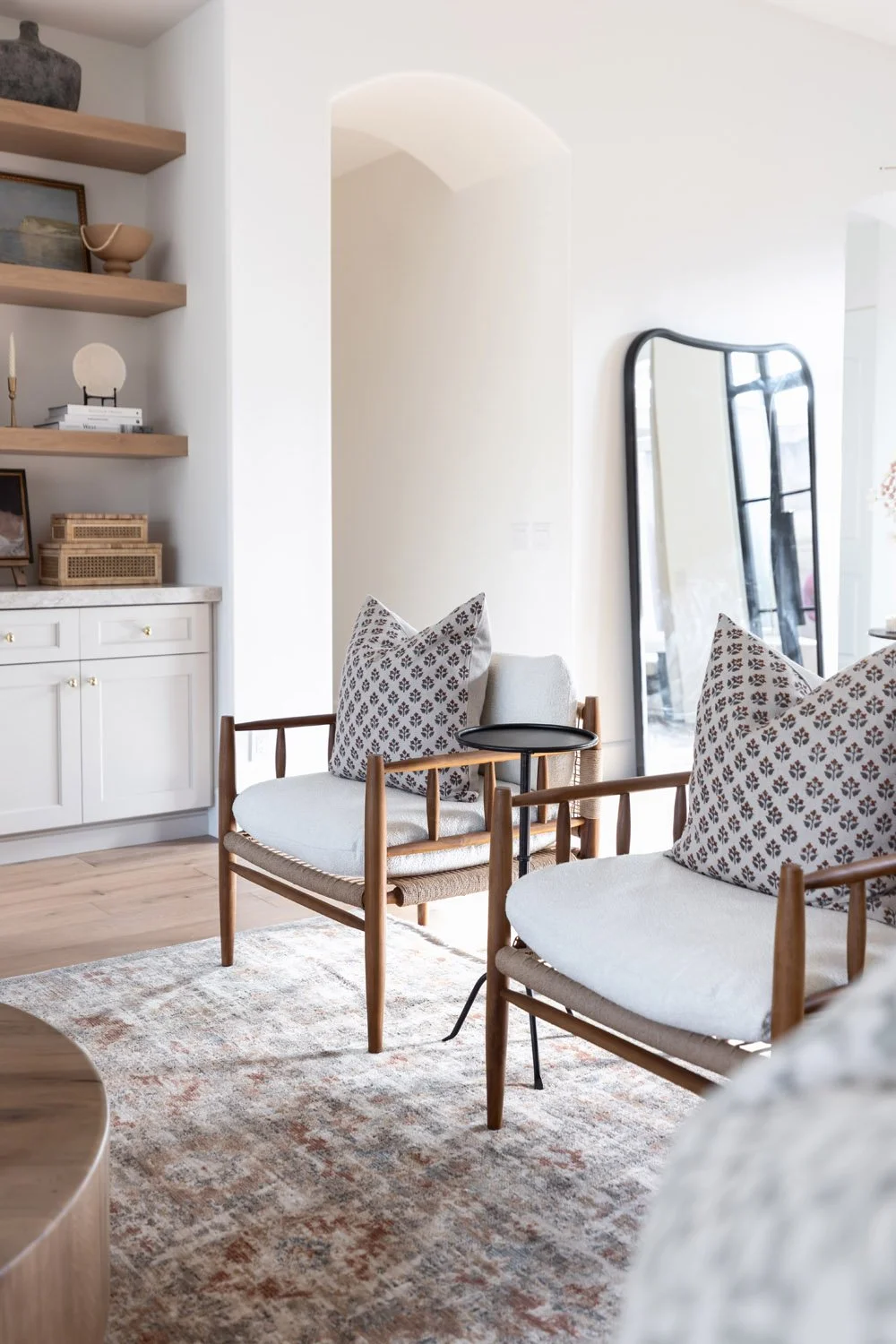
Designing for home value in Scottsdale and across Arizona
There is also a local layer to all of this.
Homes in Scottsdale, Paradise Valley, Arcadia, and throughout the Phoenix area have their own architectural character, and buyers in the luxury market tend to recognize quality.
As a Scottsdale interior designer, part of my job is understanding what feels appropriate for the home and the surrounding market while still making the space feel personal to the people living there.
That might mean finishes and palettes that work beautifully in our desert light, natural materials that complement Arizona architecture, or warm, timeless spaces that feel elevated without trying too hard.
It also means recognizing that a forever home in Paradise Valley may call for a very different design approach than a Scottsdale renovation for a family that expects to sell in five years.
Good design is not about following the same formula in every home. It is about knowing which decisions make sense for this home, this client, and this stage of their life.
If you are considering a renovation or full-home design project, one of the first things we can help you determine is not simply what will look beautiful, but where it makes sense to invest based on how you plan to live in the home.
And if you are still in the early stages of the process, start with our guide to hiring the right Scottsdale interior designer for your project.
Get in touch to learn more about working with Maya Axt Interiors for full-service interior design and renovation projects in Scottsdale, Paradise Valley, Arcadia, Phoenix, and across Arizona.
Frequently Asked Questions
-
Thoughtful interior design can increase both the value you experience while living in your home and its appeal when it comes time to sell. Cohesive design, functional improvements, quality materials, and well-planned renovations can all contribute to how buyers perceive a home.
-
Yes. If you expect to sell within roughly two to seven years, it can make sense to keep major, expensive, or difficult-to-change elements more classic and broadly appealing while bringing personality into areas that are easier to update.
If you plan to stay for 10 years or more, there is often more freedom to make highly personal choices because you will have years to enjoy them.
-
Rather than focusing on one specific finish or room, I look at improvements that make the entire home feel more cohesive and functional. Thoughtful kitchens and bathrooms, improved lighting, better storage, quality materials, and a consistent design direction can all make a meaningful difference.
-
A professional interior designer looks beyond individual selections to consider the home as a whole. That can help prevent expensive mistakes, create a more cohesive result, and determine where your budget will have the greatest impact based on both your priorities and how long you plan to own the home.
-
Buyers in Scottsdale, Paradise Valley, Arcadia, and the greater Phoenix luxury market tend to respond to homes that feel cohesive, well maintained, functional, and appropriate to their architecture and surroundings. If resale is on the horizon, thoughtful design can help balance personality with classic, lasting choices that appeal to a broader range of buyers.