
Interior Design Styles Popular in Scottsdale Homes
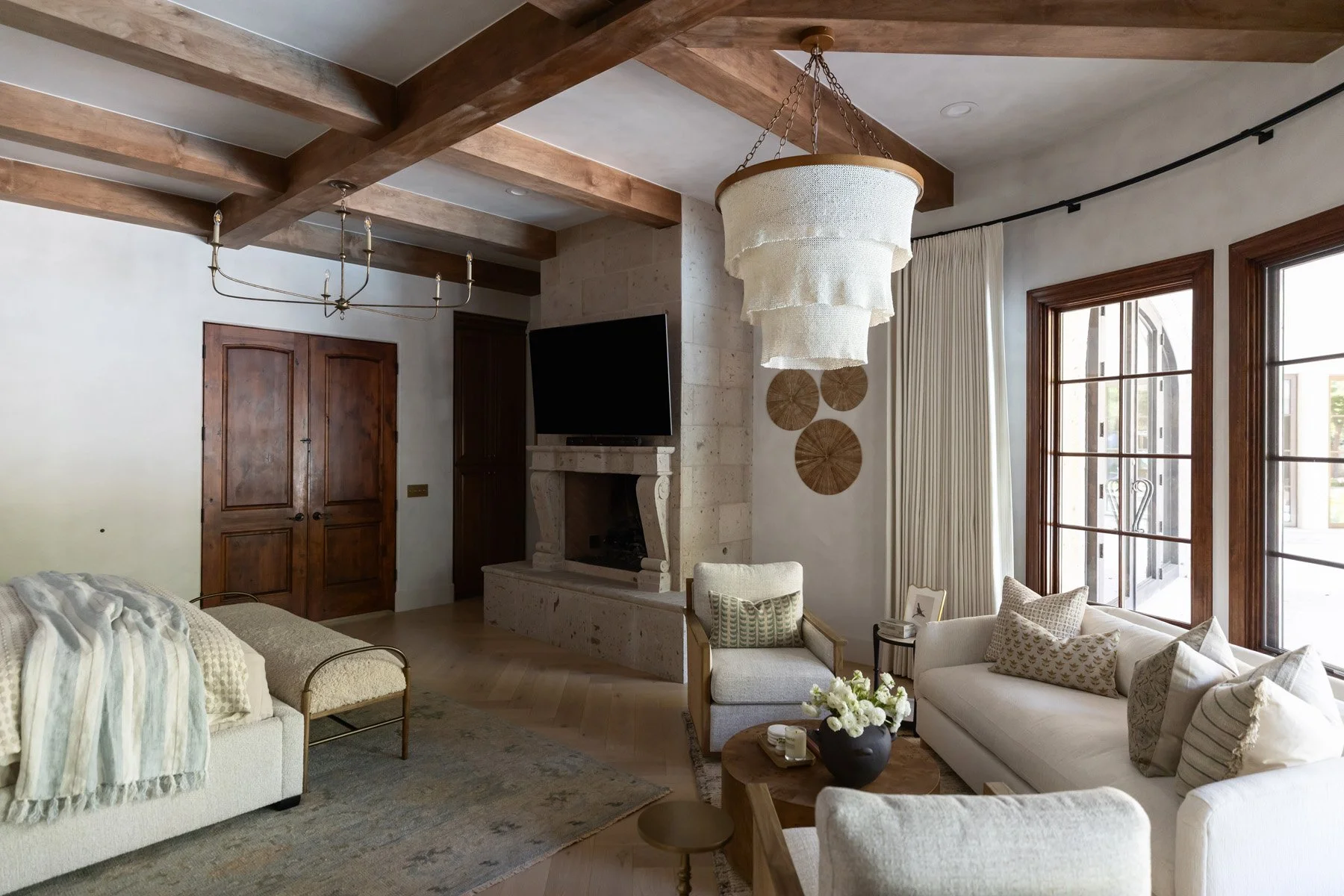
Almost every new client walks into our first meeting with a stack of saved photos and a slightly apologetic look on their face, because the photos don't quite agree with each other. A moody, minimal living room next to a warm, layered primary suite next to a crisp white kitchen that looks nothing like either one.
That's not a problem. It's usually the first real clue about what someone actually responds to, once we pull the through-line out of it.
Scottsdale homes draw from a few distinct design languages, and most people are pulling from more than one without realizing it. Here's a look at the styles I see most often, what defines each one, and how to start figuring out where your own taste actually lands.
The short version:
The design styles most common in Scottsdale homes right now include desert contemporary, modern organic, transitional, and homes still rooted in more traditional Southwestern or Mediterranean architecture. Most of my favorite projects don't sit neatly in one category. They borrow from two or three and let the architecture and the client's actual life shape the mix.
Desert Contemporary
This is probably the style most associated with Scottsdale specifically. Clean architectural lines, a warm neutral palette pulled from the desert landscape rather than a cool gray-and-white scheme, and materials that feel elemental: stone, wood, plaster, and metal with a matte or aged finish rather than anything glossy.
Desert contemporary interiors tend to favor larger expanses of glass, which makes sense given the climate and the views many Scottsdale and Paradise Valley homes are built around. Furniture silhouettes are usually simple and substantial rather than ornate. The goal is a room that feels calm and grounded, not sparse.
This style suits homeowners who want their interiors to feel connected to the landscape outside rather than working against it.
Modern Organic
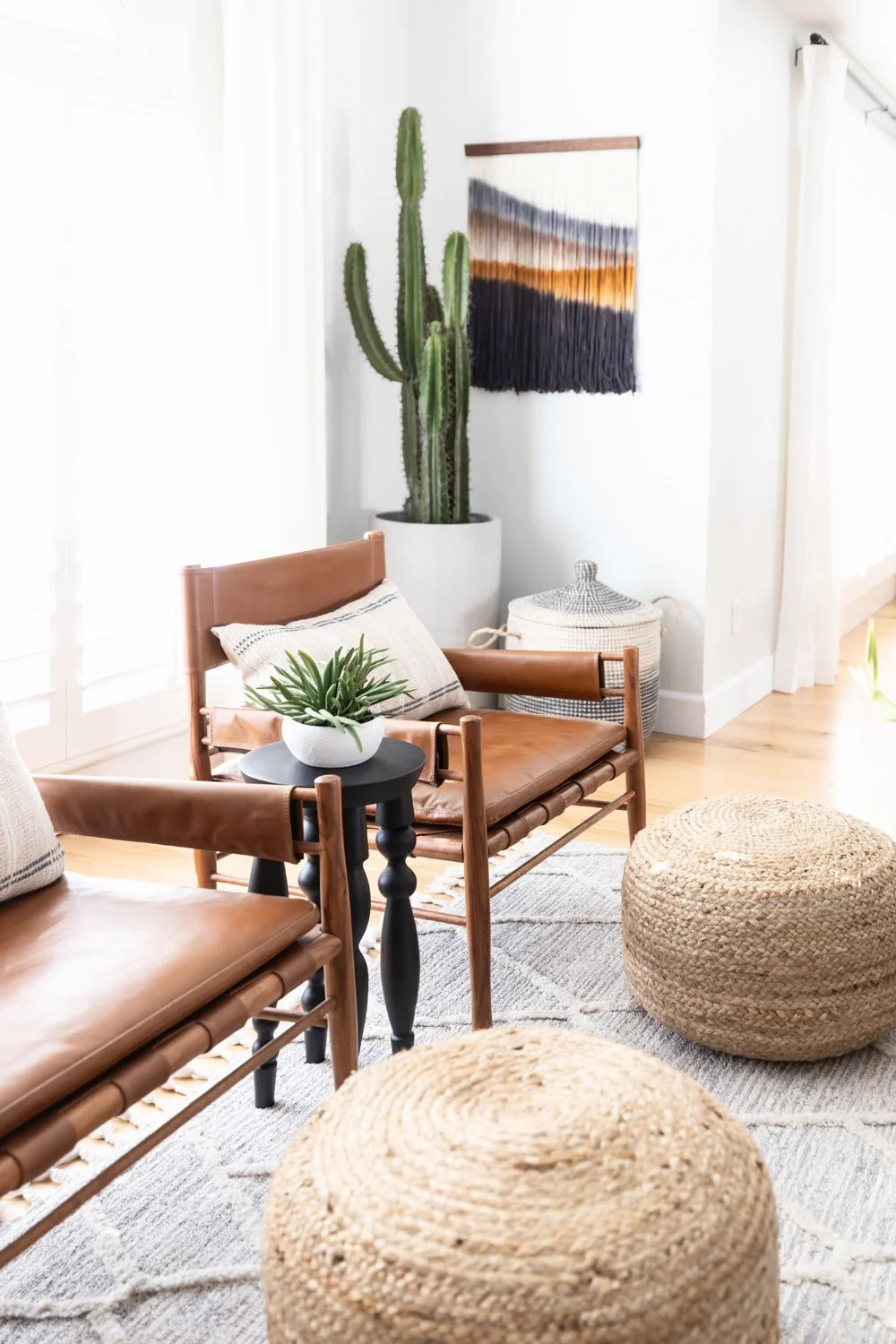
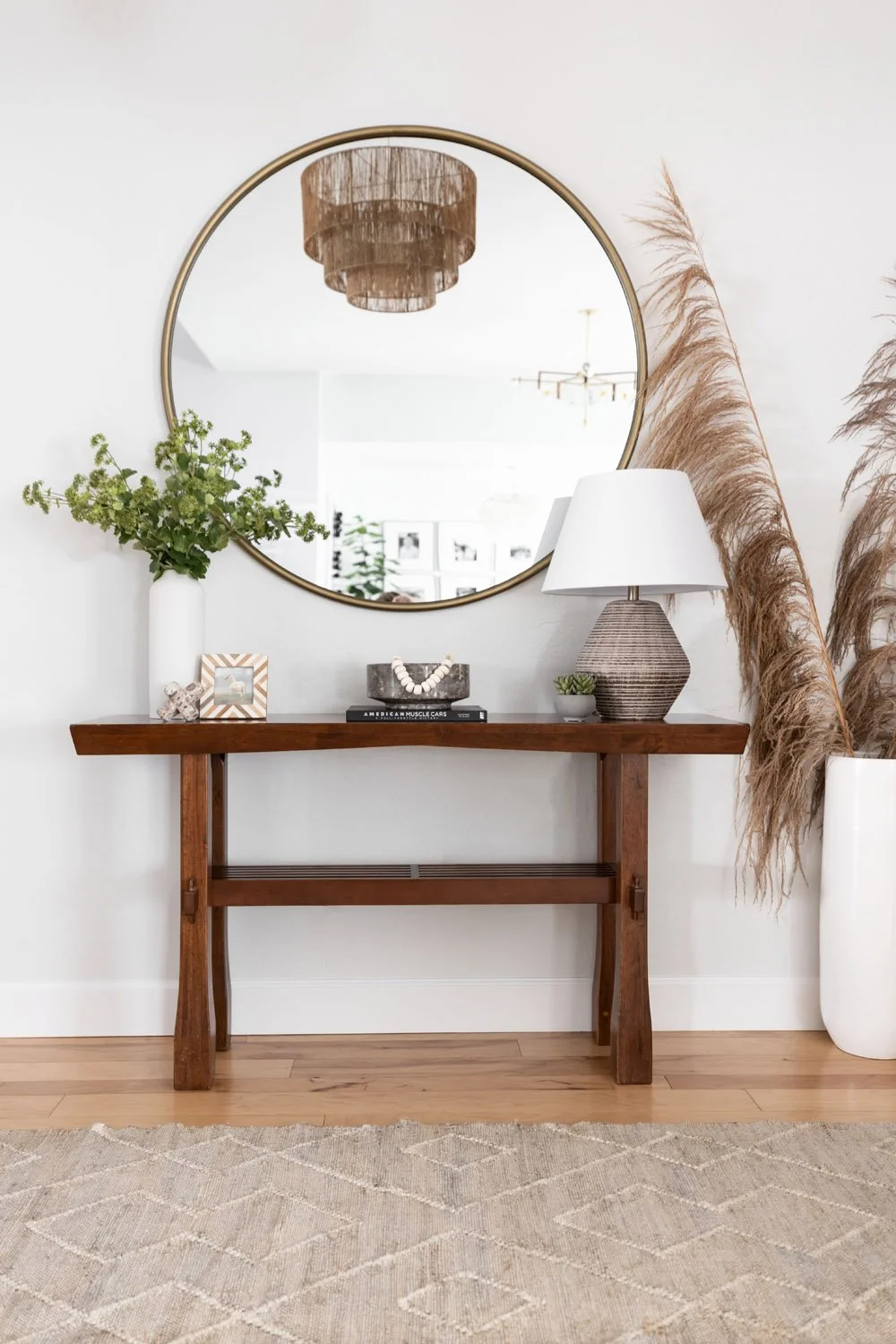
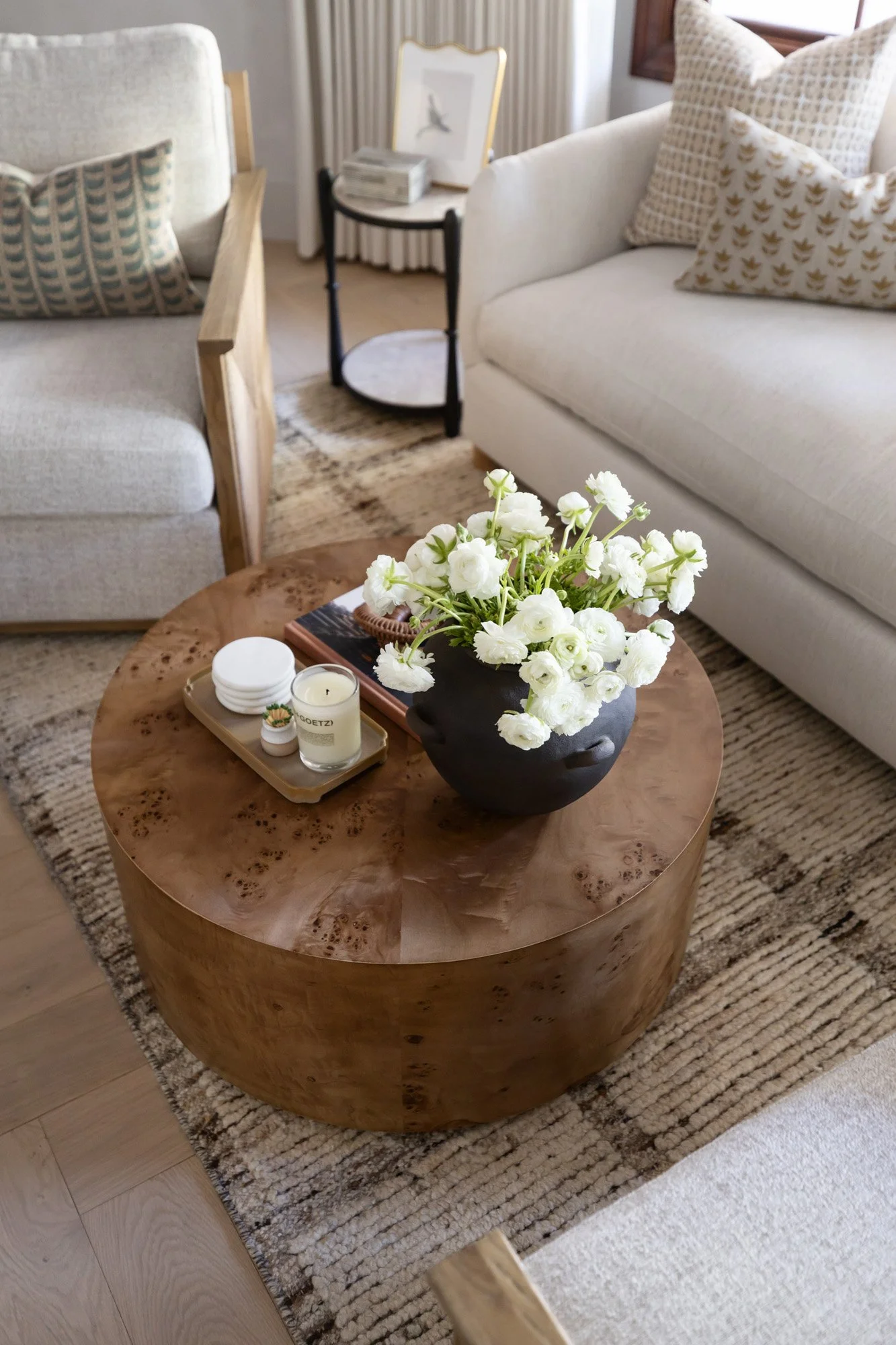
Closely related to desert contemporary but softer in feel, modern organic design leans into natural materials, curved forms, and a layered, textural palette. Think woven textiles, unlacquered wood, plaster walls with visible texture, and furniture with rounded rather than sharp edges.
Where desert contemporary can feel architectural and precise, modern organic feels warmer and more tactile. It's a style that photographs beautifully but is really designed to be touched, sat in, and lived in without precious care.
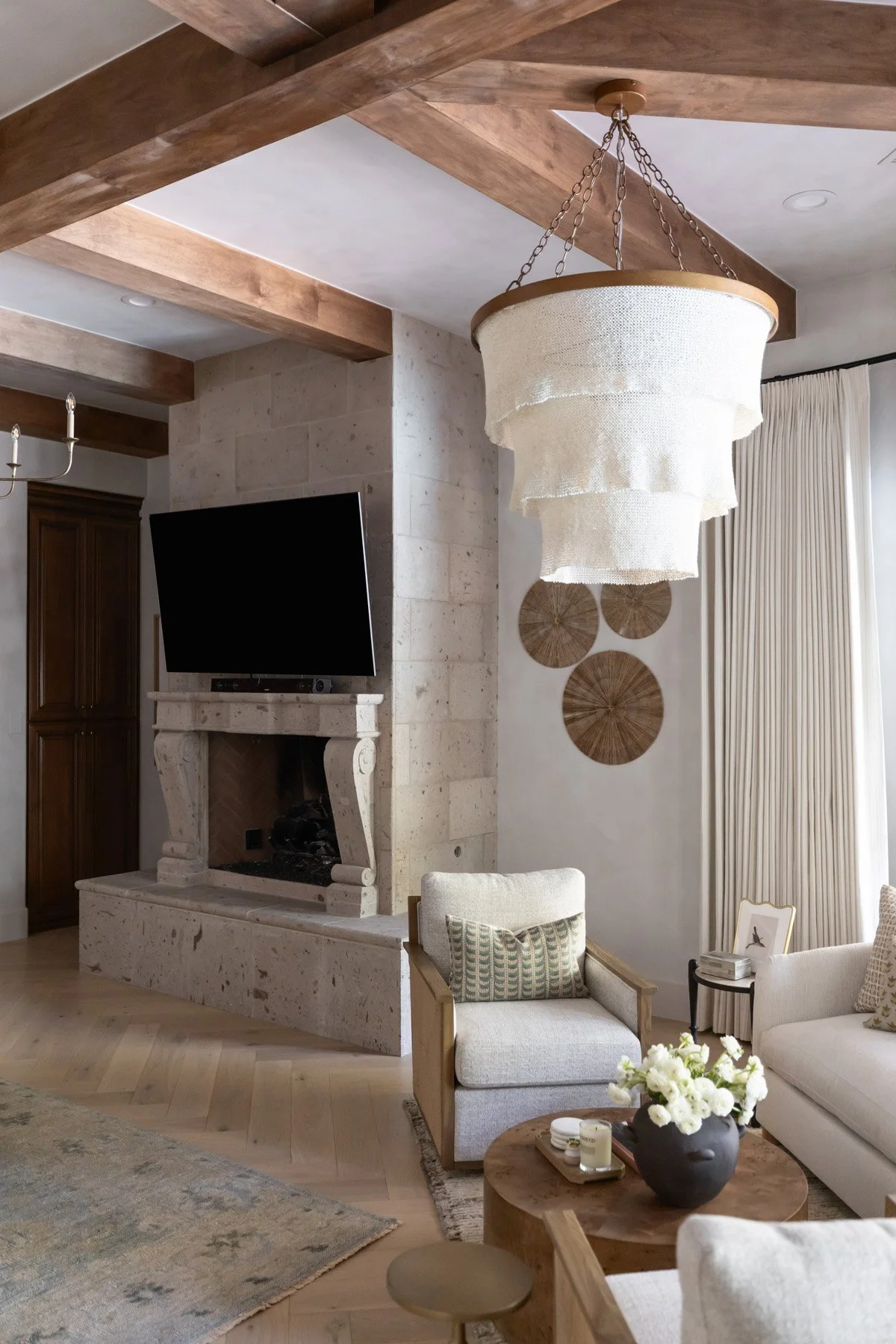
Our Modern Med on La Serena project is a good example of how this approach can work in a Paradise Valley home. In the primary suite, layers of wood, limewash, natural textures, and softer furnishings create warmth while still keeping the overall space clean and refined.
I find this style resonates with clients who want a home that feels current without feeling cold, and who are drawn to a more relaxed, sensory experience of their space.
Transitional
Transitional design bridges traditional architecture with a more current interior sensibility, and it's a natural fit for a lot of Scottsdale, Arcadia, and Central Phoenix homes that were built with more classic bones.
Furniture profiles are cleaner than traditional design but not stripped down to pure minimalism. Color palettes tend to be soft and neutral with room for warmth. Detailing, like millwork or lighting, references traditional forms without feeling dated.
This is often where I land with clients who love the character of an older or more architecturally detailed home but want the interior to feel updated rather than frozen in time. It's also a forgiving style for households that need furniture to hold up to daily life without looking overly casual.
Our Hidden Hills Hideaway project is a great example of taking an existing Phoenix home and giving it a more current point of view while still respecting the character of the house.


Southwestern and Traditional Roots
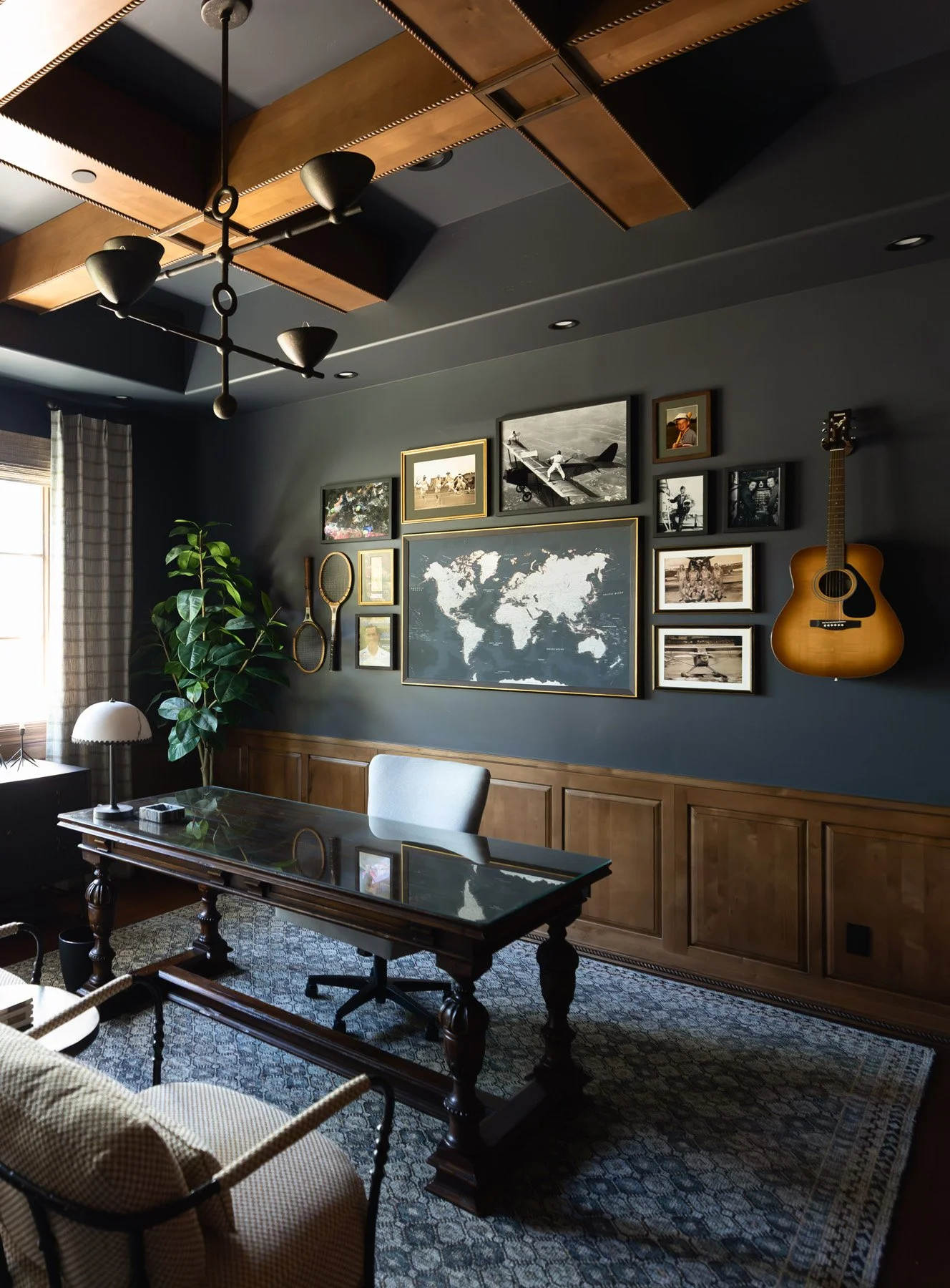
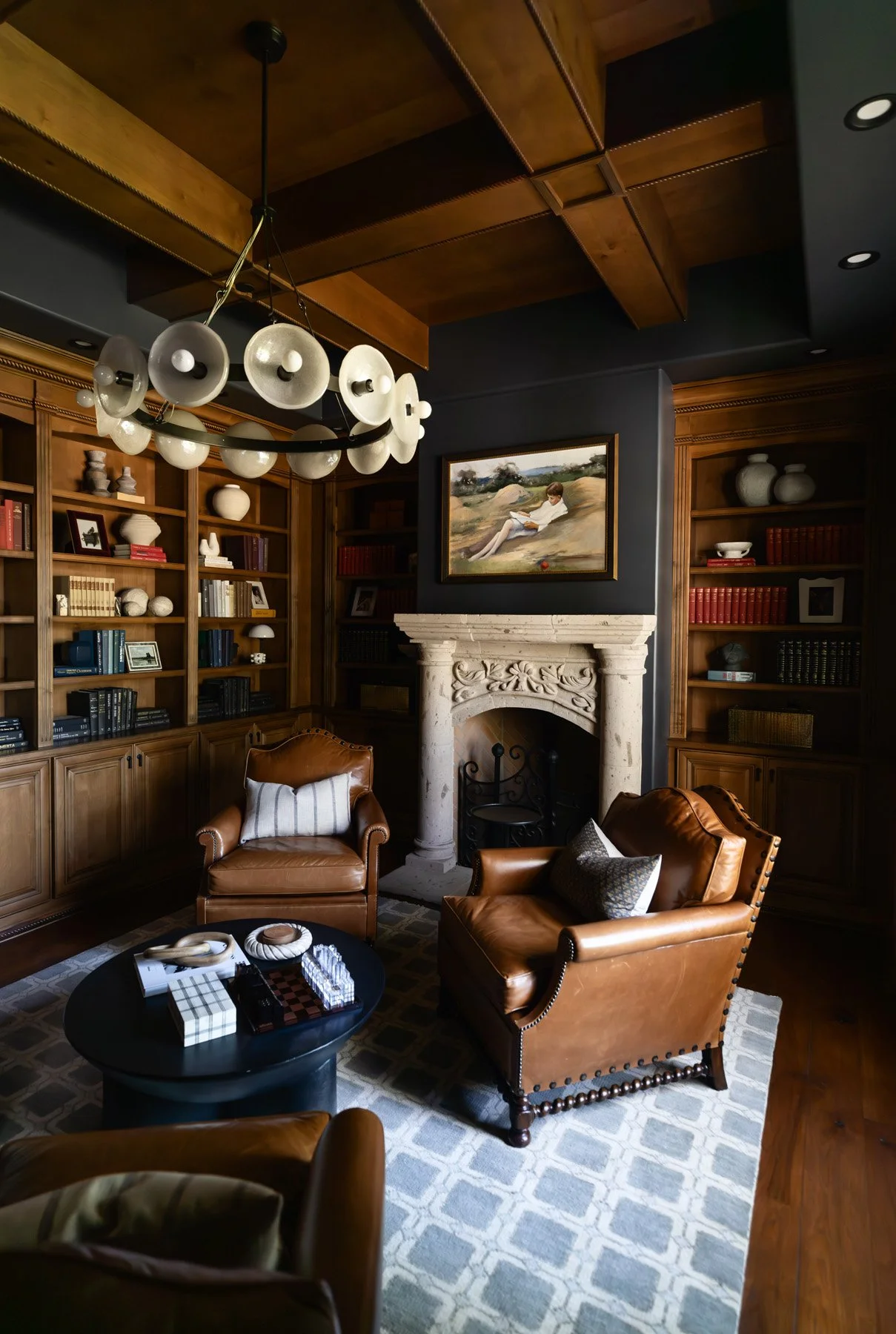
Plenty of homes in this area, particularly older homes in Scottsdale, Paradise Valley, and Arcadia, were built with more overtly Southwestern or Mediterranean architectural detailing: arched doorways, heavier millwork, warm wood tones, Saltillo tile, stone, and exposed beams.
Not every homeowner wants to erase that history, and I don't think they should have to.
Working within a home like this often means finding a version of contemporary design that respects the architecture rather than fighting it. That might mean keeping certain millwork details while lightening the palette around them, or choosing furniture that feels current without clashing with an arched doorway or a beamed ceiling.
The office and library in our Modern Med on La Serena project is a good example of how an existing home can evolve without losing all of the character that made it interesting in the first place.
The result can feel just as fresh as a full architectural overhaul without unnecessarily removing every original element.
Finding Your Own Style
If your saved photos feel like they're pulling in different directions, that's normal, and it's usually solvable by looking past the finishes to what's actually consistent underneath.
Do the rooms you're drawn to tend to feel light and airy, or warm and enveloping? Do you gravitate toward pattern and layering, or a quieter, more restrained palette? Are you drawn to natural materials left visibly imperfect, or cleaner, more polished surfaces?
Those underlying preferences matter more than whether a room gets labeled desert contemporary or transitional. Style categories are useful shorthand, but the real work of design is translating what you respond to into a cohesive plan for your specific home, not fitting your home into a predefined box.
This is something we do whether we're helping a client furnish an existing home, renovate a home, or design a new build from the beginning.
Why Arizona Light Shapes Every Style Decision
Whatever style direction a project lands on, Arizona's light has a say in it. Intense, directional sun changes how colors read indoors, how materials age, and how a room feels at different times of day.
A palette that looks sophisticated in a moodboard can read harsh under direct desert sun, and a scheme that seems too warm on paper can feel exactly right once you see how the light moves through a west-facing room in the afternoon.
This is one of the reasons style decisions in Scottsdale, Paradise Valley, Arcadia, and Phoenix homes benefit from being made in person, in the actual space, rather than purely from photos and swatches.
Let's Find Your Style Together
If you're staring at a folder of saved inspiration images that don't quite agree with each other, that's a great place to start, not a problem to solve on your own first.
At Maya Axt Interiors, we help clients throughout Scottsdale, Paradise Valley, Arcadia, Phoenix, and the surrounding areas create homes that feel cohesive without being tied to one specific design label.
I'd love to look through what you're drawn to and help you figure out the style direction that actually fits your home and how you live in it.