
Hiring an Interior Designer for a Scottsdale Remodel

Planning a remodel often starts with the parts of your home you know you want to change. Maybe the kitchen no longer functions well for the way your family lives, a primary bathroom feels dated, or you've purchased a Scottsdale home with great bones but interiors that don't quite feel like you.
What can be harder to anticipate is how quickly those initial ideas turn into hundreds of interconnected decisions.
A remodel touches far more than finishes. Changes to a floor plan can affect furniture placement, lighting and electrical plans. Cabinetry needs to work with appliances, plumbing and storage requirements. New materials need to relate to the parts of the home you're keeping.
Bringing an interior designer into the project early allows those decisions to be considered together rather than solved one at a time once construction is already underway.
When should you hire an interior designer for a remodel?
For a larger renovation, ideally before construction begins and while the plans are still being developed.
There is considerably more freedom to refine a layout, rethink cabinetry or coordinate lighting before walls have moved and orders have been placed.
An interior designer also looks at the plans through a slightly different lens than your contractor or architect. The construction team is considering how the project will be built, while your designer is thinking about how those spaces will ultimately be lived in, furnished and experienced.
At Maya Axt Interiors, our Full-Service Interior Design service allows us to be involved from those early planning stages through construction, procurement and final installation. For Scottsdale renovations, we can also collaborate with architects, contractors and trusted trades as part of the broader project team.
What does an interior designer do during a remodel?
The designer's role in a renovation extends well beyond choosing tile and paint colors.
Early in the process, that may mean reviewing layouts, considering how rooms connect, designing kitchens or bathrooms, developing cabinetry and millwork, and thinking through lighting and electrical requirements.
As the project develops, the designer helps build a cohesive material and finish palette across the home, selecting everything from flooring and countertops to plumbing fixtures, hardware and lighting with the complete design in mind.
Furniture planning also happens much earlier than many homeowners expect.
You don't need every sofa ordered before construction begins, but understanding where furniture will sit and how large it is likely to be can influence decisions about lighting, outlets, circulation, window treatments, fireplaces and architectural details.
A beautifully remodeled room can still feel awkward if the architecture was developed without considering what eventually needs to live inside it.


Why your designer and contractor should work together
A successful remodel relies on different professionals bringing different expertise to the same project.
Your contractor is responsible for building and executing the work. Your interior designer develops the design intent and makes sure the architectural details, materials, lighting, cabinetry and furnishings work together.
The strongest projects tend to happen when those conversations overlap.
If the furniture layout has been planned early, for example, electrical locations can be positioned accordingly. If a kitchen is being reworked, cabinetry can be designed around how the homeowners actually cook, entertain and store things rather than simply replacing what was there before.
It also means design questions that arise during construction can be answered within the context of the whole plan, rather than becoming isolated decisions made quickly on site.
We explore this relationship in more detail in How Interior Designers Work With Builders, including where each professional's role begins and overlaps.
Think about the whole home, not one selection at a time
One of the easiest ways for a remodel to lose cohesion is to make decisions in isolation.
You might love a particular countertop, tile or light fixture on its own, but those choices still need to work with the flooring running into the next room, the cabinetry opposite them and the architecture you're keeping elsewhere in the house.
This is particularly important when you're renovating only part of an existing home.
The goal isn't always to remove everything and begin again. There may be architectural details, materials or pieces worth keeping and building around. The designer's job is to work out what belongs in the new direction, what should change and how the old and new can feel intentional together.
That comes up often in Scottsdale and Paradise Valley, where we're frequently helping homeowners update properties with strong existing architectural character. Our article on Updating Tuscan Homes for Modern Living in Scottsdale & Paradise Valley looks specifically at how to modernize those homes without stripping away everything that gives them character.
Start with how you want to live in the home
Before getting too far into finishes, it helps to step back and ask what the remodel actually needs to improve.
Perhaps everyone gathers in the kitchen, but the current layout makes entertaining difficult. Maybe there's a formal room that rarely gets used while another part of the home is doing far too much work. You might want better storage, more connection to your outdoor spaces, or rooms that work differently now that your children are older or you're spending more time in Arizona.
Those practical details should shape the design from the beginning.
At Maya Axt Interiors, we plan spaces around the people who will actually live in them. That might change the layout, where storage is added, how seating is arranged or even which materials make sense for a particular room.
The result should feel considered and personal to your home, rather than like a collection of individually beautiful decisions.
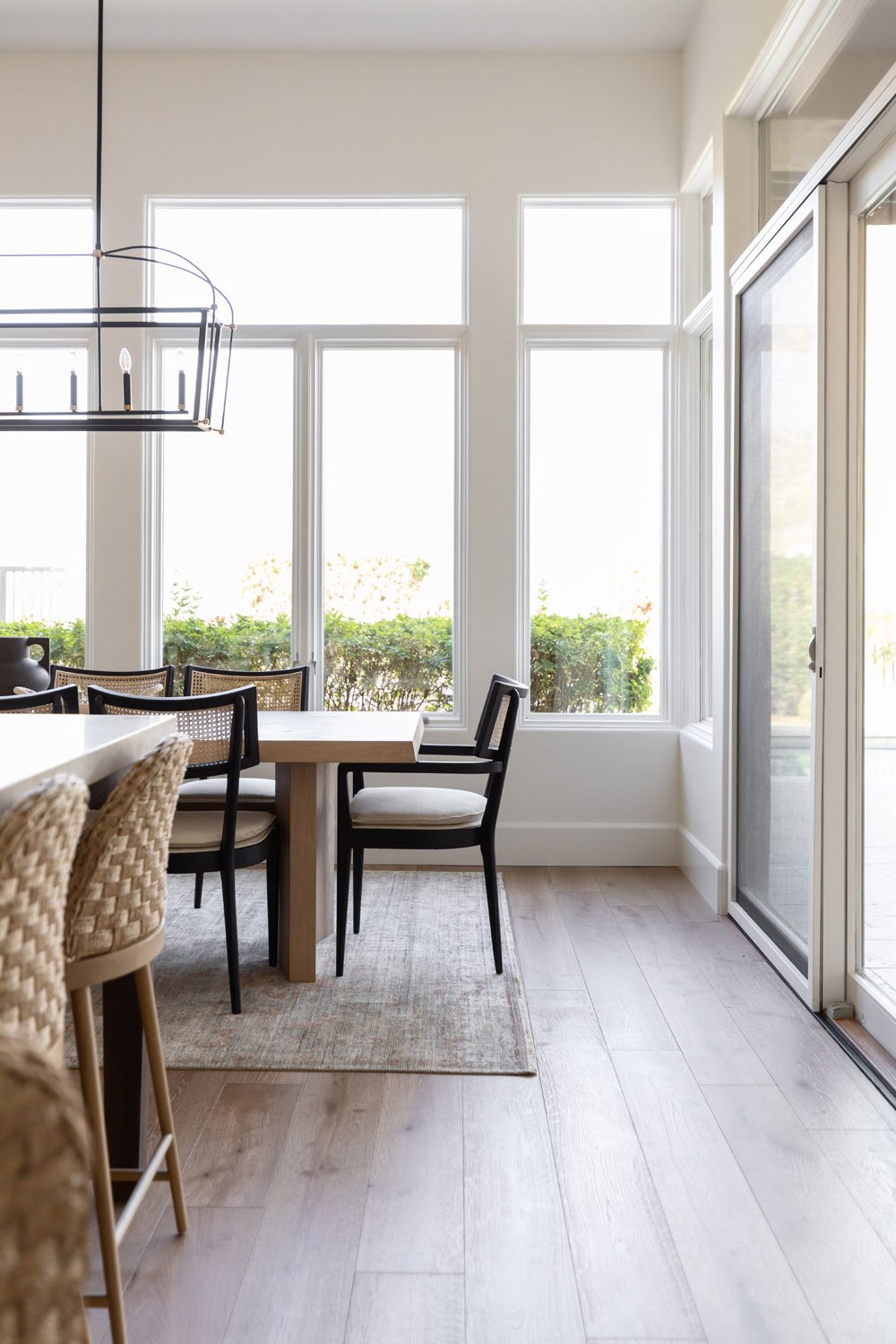

What level of design support do you need?
How involved your interior designer needs to be depends on the scale of your renovation and how much of the implementation you want to manage yourself.
For larger or more complex renovations, Full-Service Interior Design keeps the design team involved from early planning and selections through construction coordination, procurement and installation.
If you want a professionally developed design but prefer to manage the implementation yourself, Design & Plan provides the layouts, selections and design direction you need to carry the project forward.
Not sure which approach makes sense for your project? We break down the differences in Do You Need Full-Service or Design-and-Plan Interior Support?.
Planning a remodel in Scottsdale?
The earlier your designer is involved, the more opportunity there is to make thoughtful decisions before they become expensive or disruptive to change.
Maya Axt Interiors provides remodeling and interior design services for homes throughout Scottsdale, Paradise Valley, Phoenix and the surrounding areas, combining design expertise with an understanding of the construction process.
If you're planning a renovation and want support from the early design stages through the finished home, explore our Scottsdale Remodeling Services or tell us about your project.